Sod vs Seed: Which Lawn Option Is Best for Ontario Homeowners?
Choosing between sod and grass seed is one of the first decisions you'll make when installing a new lawn in Ontario. Homeowners in Hamilton, Burlington, Oakville, and across the Golden Horseshoe often ask: which option delivers a better lawn, and which is right for my budget and timeline? In this guide we compare sod installation and seeding — including cost, installation process, maintenance, and how Ontario's climate affects both — so you can decide with confidence. If you're planning a new lawn or lawn replacement, proper yard grading and soil prep matter for both options; our team offers sod installation and full site preparation across our service areas.
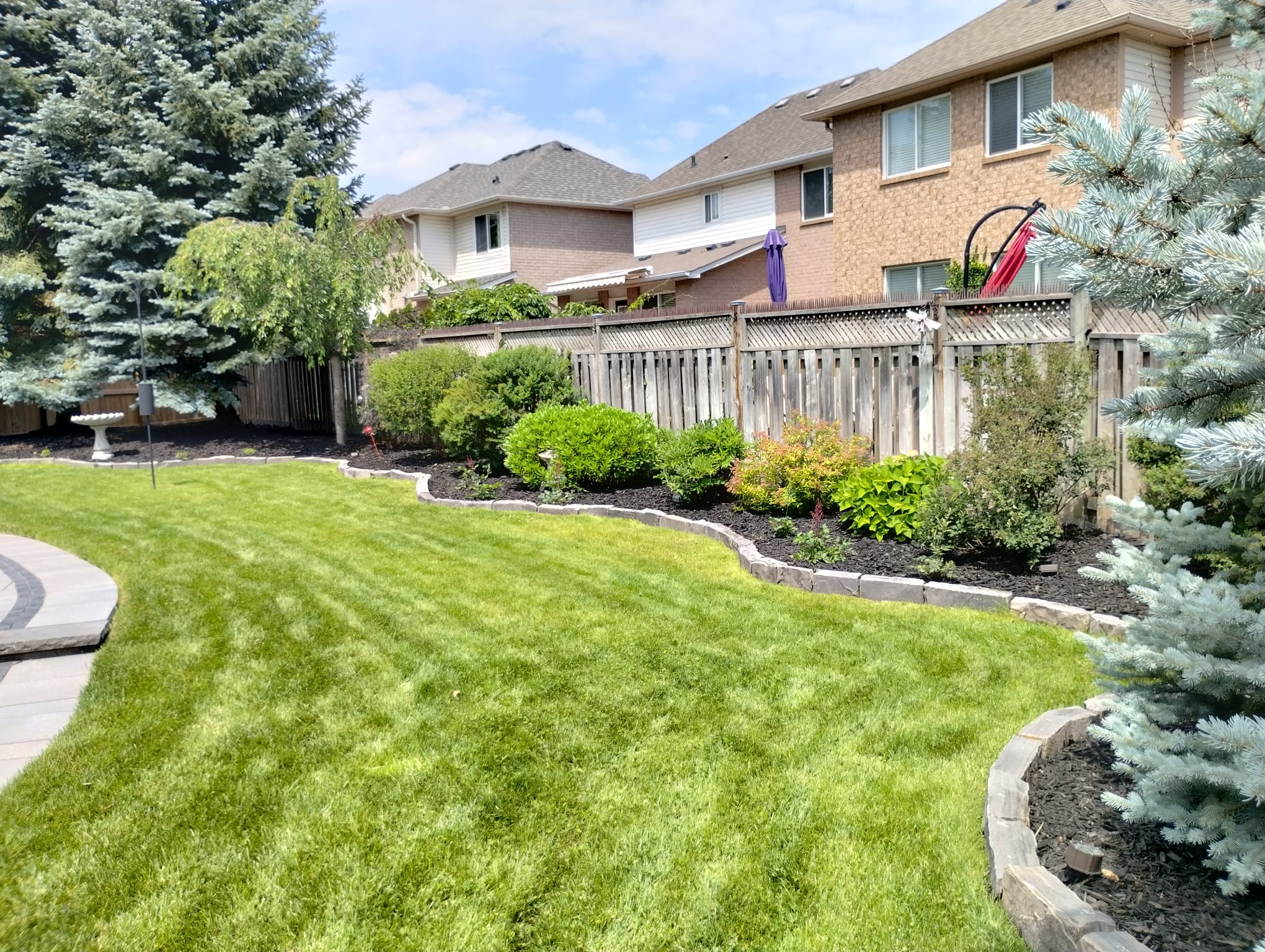
What is sod?
Sod is mature grass that has been grown on a farm, cut into strips or rolls along with a thin layer of soil and roots, and delivered to your property. When you choose sod installation, you're essentially laying down an instant lawn — the grass is already established, so you get a green, usable surface right away. Sod is typically sold by the square foot or pallet and is available in varieties suited to sun, shade, and traffic. For Ontario homeowners, common sod types include Kentucky bluegrass blends and other cool-season grasses that tolerate our winters and summers. Resources such as Canada.ca lawn and garden guidance and provincial horticulture information can help you understand grass types and care.
What is grass seed?
Grass seed is exactly what it sounds like: seeds of grass varieties that you spread over prepared soil, then water and nurture until they germinate and grow into a lawn. Seeding is a traditional and cost-effective way to establish a new lawn, but it takes longer than sod — typically several weeks to months before the lawn is thick and ready for regular use. Seed allows you to choose specific mixes (e.g. drought-tolerant, shade-tolerant, or high-traffic blends) and is often recommended for large areas or when budget is a priority. In Ontario, cool-season grasses such as Kentucky bluegrass, perennial ryegrass, and fine fescues are commonly used; Ontario lawn care resources provide regional advice on seed selection and timing.
Advantages of sod
- Instant results: You get a green, usable lawn within days of installation, which is ideal if you need the space for an event or want to avoid a long establishment period.
- Erosion control: Sod holds soil in place immediately, making it a good choice on slopes or after yard grading when you want to prevent washout.
- Weed suppression: Because the grass is already mature, sod crowds out weeds more effectively than bare soil while seed is germinating.
- Easier establishment in tough conditions: If your site is challenging (e.g. partial shade, heavy use), sod can be more forgiving than seed because the root system is already developed.
Many homeowners in Hamilton, Burlington, and Oakville choose sod when they want a finished look quickly or when combining a new lawn with other work such as interlock patios or backyard landscaping and need the area to look complete.
Advantages of seed
- Lower upfront cost: Seeding is generally less expensive per square foot than sod, which can matter for large properties in Milton, Mississauga, or rural areas.
- More variety: You can select custom seed mixes for shade, drought, or heavy foot traffic that may not be available in sod form.
- Deeper roots over time: Grass that grows from seed in place often develops a deep root system because it grows in your native soil from the start.
- Flexibility in timing: Although spring and early fall are best, seed can be applied in stages or overseeded to thicken an existing lawn.
Seed is a solid option when you have time to water and protect the area and when budget is a primary concern. Proper grading and drainage are still essential so water doesn't pool or wash seed away.
Cost comparison
Costs vary by region and supplier. In the Hamilton and GTA area, sod installation typically runs higher per square foot than seeding because you're paying for grown grass, delivery, and labour to lay it. Seeding costs less for materials and labour but may require more of your time (watering, keeping traffic off) and sometimes a second pass or overseed. The table below gives a rough comparison; get a free quote for your specific project.
| Factor | Sod | Seed |
|---|---|---|
| Typical cost per sq ft (Ontario) | Higher (material + labour) | Lower (material + labour) |
| Time to usable lawn | Days | Weeks to months |
| Watering effort (initial) | High for first 2–3 weeks | High until germination and establishment |
| Best for | Quick results, erosion control, smaller areas | Large areas, budget-conscious, custom blends |
For a detailed quote tailored to your property in Hamilton, Burlington, Oakville, Dundas, Ancaster, or elsewhere in the Golden Horseshoe, contact Seven Stones Landscape. We provide sod installation and can handle grading and prep so your lawn gets off to a strong start.
Installation process
Sod installation
Professional sod installation usually includes site preparation (grading, removing debris, adding topsoil if needed), rolling or raking the soil, laying sod in a staggered pattern so seams don't line up, rolling again to ensure good soil contact, and an initial watering schedule. Proper base preparation is critical — without it, sod can dry out or fail to root. Our team follows best practices so sod establishes quickly in Hamilton and Ontario's variable weather.
Seeding
Seeding involves similar site prep: grading, soil amendment if needed, and a smooth, firm seedbed. Seed is spread evenly (by hand, spreader, or slit-seeder), lightly raked or covered, and then kept moist until germination. Depending on the variety and weather, germination can take one to three weeks. Traffic should be minimized until the grass is well established. References such as Health Canada's pest management and lawn resources offer guidance on lawn establishment and care.
Maintenance requirements
Both sod and seed need consistent watering after installation. Sod requires deep, frequent watering for the first two to three weeks so the roots grow into the soil below. Seed needs to be kept moist (not soggy) until germination and then gradually weaned to deeper, less frequent watering. Mowing can begin when sod is rooted (often within two weeks) or when seeded grass reaches about 3 inches. Fertilization and ongoing care are similar for both once established — follow a seasonal schedule suitable for Ontario cool-season grasses. For more on lawn care in our region, see Ontario's lawn care page.
Best choice for Ontario climate
Ontario's climate — cold winters, warm summers, and variable spring and fall moisture — suits cool-season grasses used in both sod and seed. The best choice for you depends on timing, budget, and how quickly you need a lawn. Spring and early fall are the best times for both sod and seed; summer installation is possible for sod with extra watering, while seeding in summer is riskier due to heat and drought. In Hamilton, Burlington, Oakville, Stoney Creek, Waterdown, and across the Golden Horseshoe, many homeowners choose sod for immediate curb appeal and erosion control after new construction or grading, and seed for large or budget-conscious projects when they can wait for establishment.
Conclusion
Whether you choose sod or seed for your Ontario lawn, success depends on proper site preparation, consistent watering, and appropriate timing. Sod gives you an instant lawn and is ideal when you want quick results or need erosion control; seed costs less and offers more variety but requires patience and care. If you're in Hamilton, Burlington, Oakville, Dundas, Ancaster, Waterdown, Stoney Creek, Milton, or Mississauga and want professional sod installation or advice on grading and lawn prep, Seven Stones Landscape is here to help. We'll assess your site, discuss your goals and budget, and provide a clear quote. Request a free quote and we'll respond within 24 hours.